

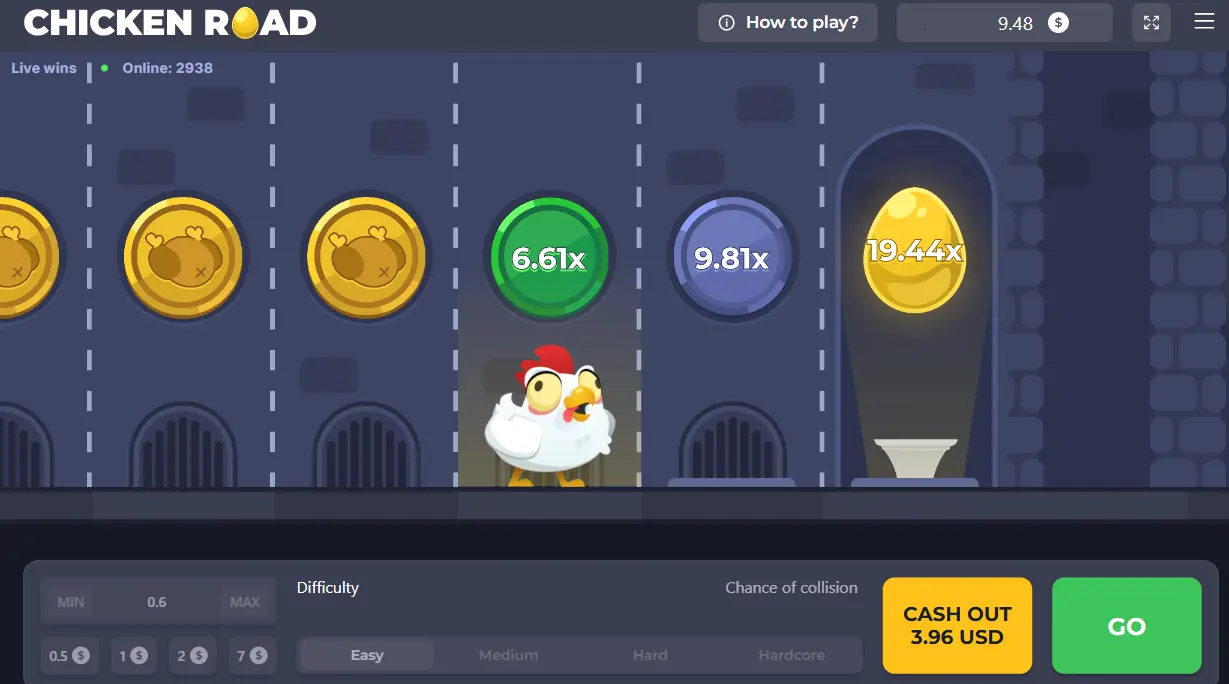
Chicken Plus fills a special spot in casual gaming https://chickenplus.eu/. It blends uncomplicated mechanics with progression loops that maintain engagement. This review looks past its surface as a mere distraction. We view it as a structured digital product, dissecting its core gameplay, how it makes money, and the tricks it uses to drive retention. Our goal is to pinpoint what makes the game so easy to pick up and engaging, especially for UK players who are familiar with free mobile games. Let’s explore the psychological triggers, the risk-and-reward balance, and the technical work that underpins the whole Chicken Plus world together.
Core Gameplay Mechanics and User Interface
Chicken Plus is built on a clicker, or incremental, game base. This genre is known for being easy to start and tough to put down. Your main job is to accumulate in-game currency. You do this through active tapping and by setting up systems that earn money for you while you’re away. The interface doesn’t crowd your screen. It concentrates on what matters: your current cash, buttons for upgrades, and bars that display your progress. This approach eliminates the noise. Players spot their objectives right away. Every action gives a quick hit of satisfaction. Collect a coin, and it rings. Buy a new coop, and it appears on the screen. This leverages basic psychology, rewarding you to encourage just one more tap. The real hook is the transition from manual work to watching your automated farm generate earnings on its own.
Gameplay Depth Below Simplicity
Don’t let the simple tapping fool you. A real layer of strategy sits underneath. You are always facing choices about your resources. Do you purchase that cheap upgrade now for a quick boost, or save for a major automation unit? Deciding which building to expand first changes how fast you advance. These micro-decisions add a puzzle element that exceeds mindless clicking. The game is astute about unveiling these choices slowly. It never dumps all its systems on you at once. You also get to pick your play style. If you prefer to check in for two minutes a day, the idle earnings have you covered. If you’d rather spend an hour of active optimization, the game supports that too.
Economic Model and Profit Plan
Chicken Plus is available at no cost. It makes money through in-app purchases and optional video ads. This mixed strategy provides players a menu of options. You can advance by investing time, by watching ads for bonuses, or by making purchases. The economy is carefully balanced. Players who never make a purchase still get a regular sense of progress. Meanwhile, purchases are positioned at moments where progress might slow down. They are sold as conveniences, not as required keys to victory. This careful positioning avoids the worst “pay-to-win” feelings that push players away. The result is a game that makes profit without wrecking the fun for everyone else.
Value Offering of In-App Purchases
A examination at the purchase shop highlights its priorities: saving time and looking good. Bundles usually offer a multiplier for your premium currency, a temporary earnings boost, or a special skin for your farm. What makes these offers palatable is what they don’t do. They don’t let you beat another player in a head-to-head fight. They just make the journey speedier. Prices cater to different budgets, from a small coin pack for a couple of pounds to a large bundle for the most committed farmers. You will also see limited-time offers. These offer a nudge to buy now before the deal disappears, a common but effective move in games like this.
Visual Style and Sound Feedback
Chicken Plus uses a vibrant, cartoon look. The lines are clean, the icons are easy to read. This art style serves a purpose. It fulfills a task. Interactive elements shine with color and gentle movement, drawing your eye to the right spot. The chicken farm theme ties everything together with a silly, steady charm. Sound is equally crucial. Every tap, purchase, and collection comes with its own upbeat sound effect. This fusion of sight and sound converts a basic action into a tiny reward. It makes the simple act of playing pleasurable on a sensory level.
Character Advancement and Long-Term Retention Loops
Retaining users is the ultimate goal for any live game. Chicken Plus uses several layered mechanics to reach this goal. The main long-term engine is a prestige or “rebirth” mechanic. You reset your advancement in exchange for a enduring boost that applies to your next playthrough. This loop offers an incentive to start over, but with greater strength each time. On top of that, you have daily rewards, a list of rotating quests, and exclusive activities that last about a week. Together, these layers guarantee there’s always a task waiting when you access the platform. The pacing is deliberate. The first hour floods you with rewards to capture your interest. Later on, the game becomes more about refining those prestige runs for maximum effect.
Multiplayer and Leaderboard Elements
While you compete alone usually, Chicken Plus incorporates gentle social elements. Scoreboards enable you to contrast your prestige stats or event scores alongside other players. This introduces a dash of good-natured rivalry. Occasionally the game runs community goals where all players cooperate to achieve a global reward. These features are relaxed. You rarely have to chat with anyone if you don’t want to. But they fix a common problem with incremental games: the sense that you’re playing in a vacuum. Viewing other players’ achievements helps your own progress seem more real. It can also push you to strive for the next big milestone.
The Function of Community and External Platforms
A lot of the social life for games like this takes place outside the app itself. Dedicated fans assemble on Discord servers and Reddit forums. They discuss optimal upgrade paths, celebrate big numbers, and explore the game’s code. The Chicken Plus developers look to understand this. They designed a game with enough hidden depth to support these discussions. These external communities serve as a powerful retention tool. Engaging with the game turns into a shared hobby. The friendships and collective knowledge provide people another reason to log in every day and stay current with updates.
System Performance and System Tuning
A game that asks for constant engagement and often operates in the background has to be technically robust. Chicken Plus works well on mobile. It doesn’t drain your battery excessively, and it handles memory well. Load screens are brief. The frame rate keeps smooth even when your screen is filled with animated chickens and coins. Cloud saves function reliably, synchronizing your progress securely between devices. This level of polish is essential for player trust. If the game failed and ate your save file, you would likely delete it and move on. In a crowded market, reliability is not just a luxury. It’s a core feature.
Comparison to Industry Choices
How does Chicken Plus slot in the larger world of incremental games? It stands out from abstract number-go-up clickers by enveloping everything in a accessible farm theme. Compared with hyper-casual games, it provides much more depth and long-term purpose. Measure it against a elaborate management simulator, and Chicken Plus excels on pick-up-and-play simplicity. It occupies a sweet spot. We could call it a “mid-core” incremental. It’s deeper than a pure time-waster, but easier than a hardcore strategy title. This middle ground is a smart play. It grabs players who want something to engage with during a commute, but also something they can simply check for a minute while pausing for the kettle to boil.
Potential Areas for Critical Evaluation
Certainly, the game has imperfections. Any honest review has to point out the imperfections. The central cycle can become repetitive, particularly if the strategic reset layer isn’t appealing for you. The ad-based bonuses, while optional, can interrupt the flow of play for those avoiding purchases. Tuning the late-game is a ongoing challenge for the developers. If the progression curve grows too demanding between key goals, players will quit out of frustration. Additionally, there is a genuine risk of burnout. The game creates a mild pressure to play consistently and perfect everything, which can begin to feel like a chore. These are common trade-offs in the game category. How successfully the team handle them through patches will decide the game’s longevity.
Upcoming Plans and Continuous Support Outlook
A game like Chicken Plus lives or dies by its updates. It must not be a finished product. It must become a foundation that grows. The developers must have a regular supply of new content. Consider seasonal events, higher upgrade tiers, fresh prestige mechanics, and maybe new gameplay sections altogether. Heeding the community is vital for this. When players highlight balance problems or suggest a new feature, addressing that feedback fosters loyalty. Being open about the roadmap keeps players excited for what’s next. Special collaborations or themed events can bring back players who departed months ago. The future of the game depends on a simple idea: maintain the familiar comfort of the farm, but always toss in something new to discover.