
Walk into a café in Delhi, Mumbai, or Bengaluru on a Friday evening, and you will Sober living house notice something interesting. The tables are full, the conversations are loud, phones are down, and laughter is real. But instead of beer mugs and cocktail glasses, you will spot cold brews, kombucha, matcha lattes, and carefully crafted mocktails. She says refusing alcohol at these gatherings is seen as being “insensitive” or “lacking manners.” She also believes the drinking culture helps maintain relationships and keeps work lubricated and running smoothly.
Martha Stewart shares 7 tips for aging well: ‘Look good, feel good, be good’
Social drinking is a common occurrence in the U.S. and around the world. From ancient times to the colonial settlers to today, beer, wine, and spirits signify friendship and connecting with others in social settings. If you find your dependence on alcohol is becoming too strong to control, it’s time to take a close, honest look at your behavior. Today, alcohol continues to function as a popular form of socialization all over the world.
- Over time, this turned into forced drinking and then drinking on behalf of her boss and colleagues.
- It involves people coming together to enjoy drinks in a social setting, such as a bar, restaurant, party, or gathering, primarily for social purposes.
- I wouldn’t buy it again unless I wanted something light and fresh for an outdoor event or function.
Welcome to Drug Rehab Featured by Addiction Resource Team
It is also important to drink responsibly and in moderation to minimize the risk of dependence or addiction. Consistent social drinking refers to consuming alcoholic beverages on a regular basis, whether daily, weekly, or on another repeating pattern. This is not heavy drinking as seen in binge drinking or AUD, but rather a steady intake of alcohol like having a glass of wine while making dinner followed by a second glass of wine with dinner. Or consuming alcohol as part of regular or recurring professional commitments (business trips, dinner meetings, work-related special events, weekly gatherings for drinks etc.). It might mean alcohol consumption social drinker as a routine part of social gatherings like book groups or poker nights. That steady pace, combined with the acceptance of social drinking, is what makes this form of alcohol consumption seem reasonably benign, or moderate.

Health and Wellness Are Reshaping Choices
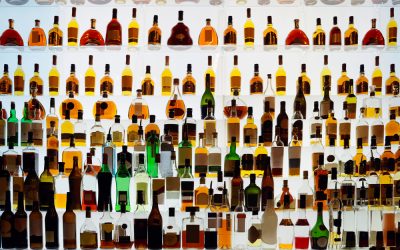
The National Institute on Alcohol Abuse and Alcoholism highlights that heavy drinking can lead to serious health issues such as liver inflammation, pancreatitis, and increased cancer risks. The brain is also affected, with alcohol interfering with communication pathways, potentially altering brain structure and function. This suggests that the digital social environment can also play a significant role in shaping drinking habits. The psychological need to belong and be accepted by peers can push individuals to engage in social drinking, even when they may not necessarily have a personal desire to consume alcohol. A social drinker is someone who consumes alcohol in a social context. They often have a normal life, and alcohol does not affect their daily routine, health, or personal life.
- We recently launched our in-app chatbot, Melody, powered by the world’s most powerful AI technology.
- Social drinking is a multifaceted practice deeply embedded in the cultural tapestry of societies worldwide.
- It’s the number one thing I reach for when I’m looking for that Friday night relaxation.
- Today, alcohol continues to function as a popular form of socialization all over the world.
Cancer survival rates reach record high, but deadliest types still put Americans at risk
If you or someone you love is questioning their drinking habits or struggling to cut back, you don’t have to navigate that alone. As Gen Z continues to shape culture, industries—from hospitality to healthcare—are being forced to adapt to a https://ecosoberhouse.com/ reality where sobriety, moderation, and intentional choices are increasingly normalized. They are consciously and actively redesigning their relationship with it. In a world that constantly demands more self-care, more awareness, and more productivity, alcohol often feels like an outdated indulgence. For India’s Gen Z, being present, healthy and mentally clear is the new flex. And if that means swapping shots for smoothies or cocktails for cold brews, they are perfectly fine with that.
A good portion of people would classify themselves as social drinkers. They don’t typically drink on their own but do so with friends, family, colleagues and so on. The key difference between occasional drinking and social drinking is the frequency and context in which alcohol is consumed. Occasional drinking is infrequent and not tied to social situations, while social drinking occurs regularly within a social setting. Both forms of drinking can be done responsibly, but it’s essential to be mindful of individual alcohol tolerance, health considerations, and local laws and regulations when consuming alcohol in any context.
A New Era of Healthier Drinking
Meetings are held in person as well as online and are typically listed on their websites. It is most important for alcoholics to realize that they are not alone and that millions of sober alcoholics now have fulfilling lives without drinking. Moreover, drinking at any level on a regular basis can exacerbate mental health concerns, such as depressive and anxiety disorders.