

Transparency is ensured within the consortium, as approved members have access to transaction particulars, fostering trust and accountability. Additionally, being designed for particular industry collaborations, these blockchains provide scalability and efficiency when processing transactions. Enterprises deploying personal blockchains retain management over the network’s governance, operations, and knowledge administration. This control allows for tailor-made solutions that align with particular business requirements and compliance standards. For example, a financial establishment can customise the consensus mechanism and entry controls of a non-public blockchain to make sure regulatory compliance and knowledge integrity. This level of management provides enterprises with larger flexibility and autonomy in managing their blockchain infrastructure and purposes.
With the blockchain’s safe distributed ledger capabilities, it might be lastly potential to put users in command of their own identities so that they have full management over it. If the user may be put in command of their id, it may be feasible to take away many of the points associated to identification today. For instance, there’ll now not be a need for id sprawl, users wouldn’t have to fret about privacy or id theft. A personal blockchain ledger could be distributed, albeit, to authorized people. Right Here, validators or operators are handpicked based mostly on past experience and experience to perform every day tasks. It is as much as the personal institutions to set requirements for making certain security on a non-public ledger.
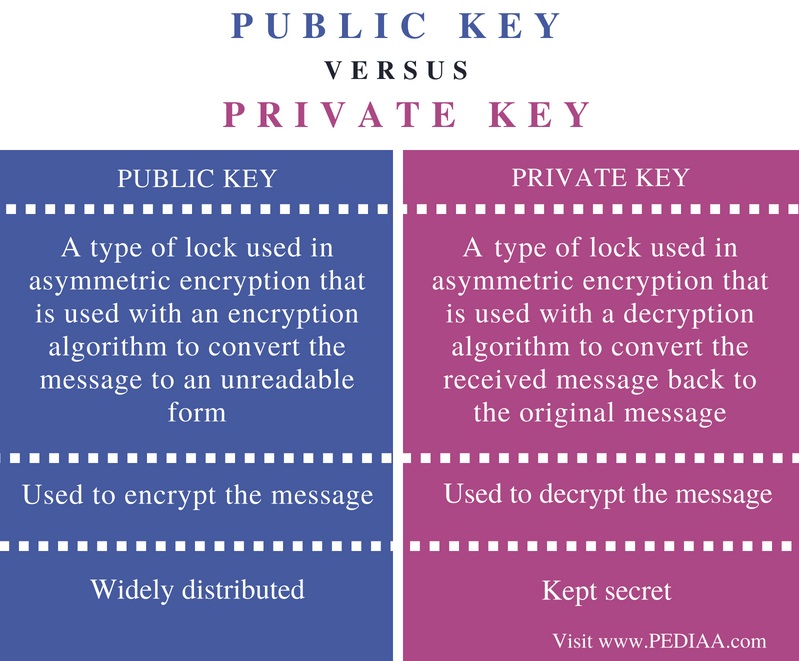
Much of what we encounter on trendy websites is usually a shiny digital facade backed by relatively archaic, guide and time-consuming processes. The blockchain’s decentralized ledger might be used for good contracts enabled by id on the blockchain. The major difference between a public and private blockchain is who’s allowed to take part within the community (i.e. execute the consensus protocol and maintain the shared ledger).

Challenges Of Private Blockchains
Since most companies have already got always-on systems in place, the nodes would need to run 24/7 anyway, and the energy usage must be comparable. The public blockchain is, not only decentralized but also totally distributed, as every node has the same power and transmission capability. Each constituent node ought to approve the transaction via the consensus process to guarantee that it to be legitimate. The report can then be, added to the chain once the authorization process is, full. Blockchain growth companies work in an open system where anyone can be a part of the ledger, and any person present can even edit it.
- Good contracts deployed on private blockchains can automate the verification and validation of credentials, reducing administrative overhead and enhancing belief in tutorial qualifications.
- Whether building NFT marketplaces, gaming platforms, or digital collectibles purposes, builders can leverage Vezgo’s NFT API to enrich their merchandise with priceless NFT knowledge seamlessly.
- In this mannequin, any user from anywhere on the earth can contribute with their computer resources and an internet connection to operate and run a node on a community.
- An investor who holds Bitcoin, Ethereum, and Ripple, for example, needs to use a singular software for every, and many buyers have a quantity of cryptocurrencies to maintain track of.
- Cost agreements must be, solidified on-chain to make sure transfers can happen frequently, or when certain circumstances are, met, without human intervention.
What Technical/business Advantages Does A Personal Blockchain Have Over A Sql Server?
Or if someone is in control of securing delicate information like private investigations or sensitive medical information, they’ve the choice to go along with both a personal blockchain or a hybrid permissioned network. In the real estate industry, personal blockchains offer options for property management, title verification, and land registry methods. By recording property possession and transaction history on a blockchain ledger, personal blockchains can cut back the danger of fraud, disputes, and title defects.
This, if properly carried out, has the flexibility to streamline how businesses function, and hopefully lower overhead. In a bid to convey out the best from each worlds, some projects are working in course of a hybrid mannequin that makes use of a decentralized construction combined with centralized components. They would argue that a hybrid mannequin would profit from the security and transparency of a decentralized structure, while facilitating scalability and efficiency to compete with typical systems within the real-world. What’s turning into clear is that the way ahead for monetary infrastructure will be multi-chain, with sensible routing between public and private environments relying on context.

Key Features Of Public Blockchains Include:
Consider elements like data sensitivity, regulatory requirements, desired level of control, and the nature of your collaborations. Understanding these distinctions is step one to unlocking the transformative potential of blockchain expertise in your group. Any non-public, public, or permissioned blockchain can present helpful analytical insights. Nonetheless, public blockchains usually provide the most data because of the sheer quantity of participants and number of transactions.
Moreover, greater transaction speeds will also be, achieved within the chain’s public areas. Still, thanks to the cryptography used, the validity of any transaction may be, verified, even when the small print of it are, permissioned. Blockchains and DLTs are both digital logbooks of information shared throughout networks of users. Before we dive into the major points, we ought to always make clear the confusion between blockchain and DLTs. Decentralized databases, also called distributed ledgers (DLTs), are managed by a quantity of individuals across multiple nodes. The umbrella, therefore, encompasses all decentralized database providers which are https://101amazingcoffee.com/category/coffee-beans/ ruled and managed by participants.
Issues With Identity Right Now
The future of enterprise blockchains, therefore, lies in creating agile, scalable, and interconnected networks that can support the dynamic wants of recent enterprise ecosystems. Public blockchains offer a fast entry level into the blockchain world with established networks and protocols. Nonetheless, for companies aiming for optimized performance, enhanced privacy, and bespoke solutions that align closely with their business mannequin, a non-public blockchain turns into obvious. Despite the upper upfront costs and useful resource calls for, the investment in a personal blockchain can yield unparalleled advantages in effectivity, scalability, and competitive edge.